
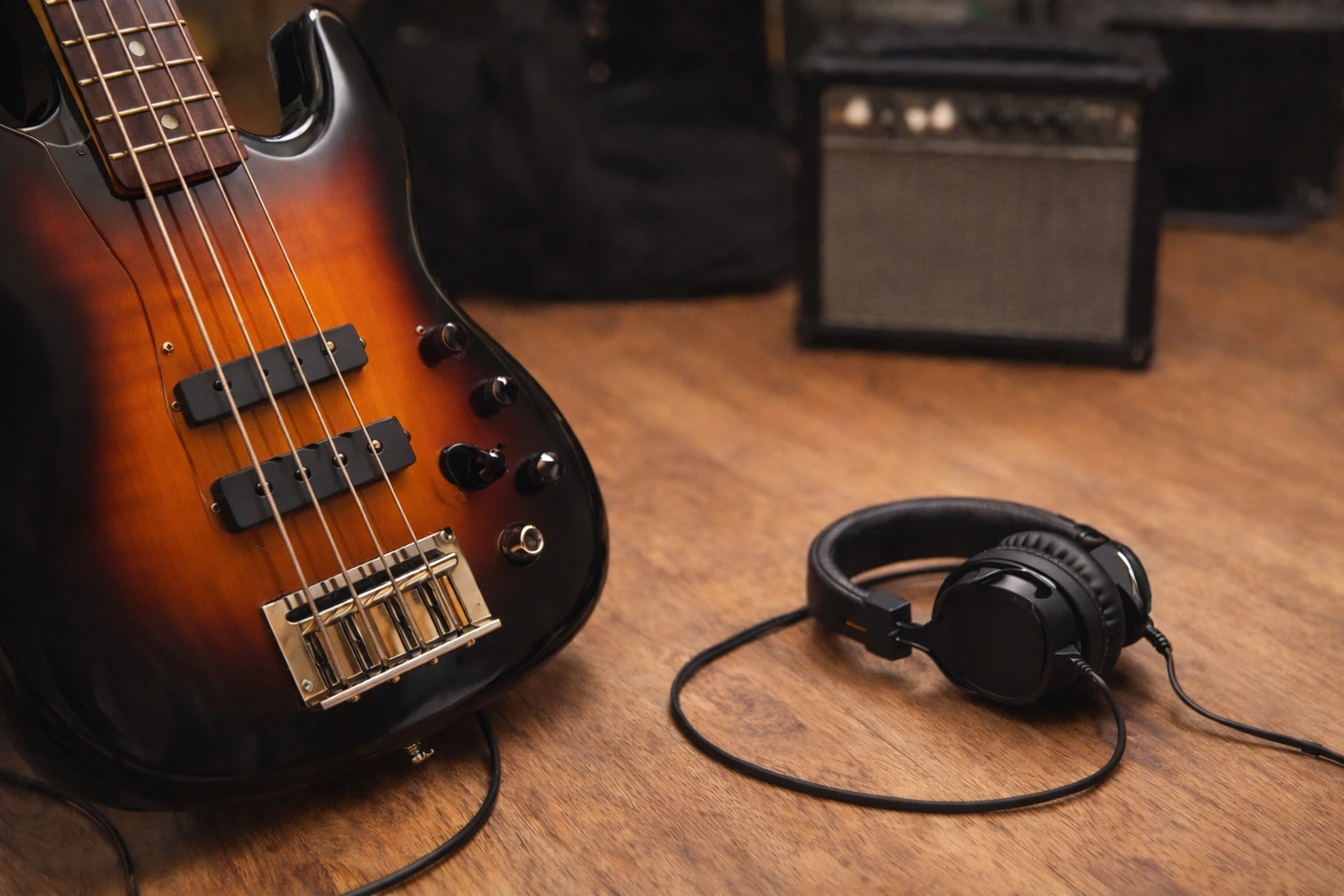
First Bass Guitar in Singapore: A Beginner’s Guide
Buying your first bass guitar in Singapore can feel a bit overwhelming at the start. With so many models and shops around, it helps to know what actually matters before spending your money.
There are already tons of YouTube videos and online articles telling you which beginner bass is the best. This is not that kind of guide.
Instead, this is a local perspective on what to look out for when getting your first bass in Singapore. Rather than chasing the “best beginner bass” according to the internet, it makes more sense to focus on what feels comfortable, works reliably, and fits the way you will actually practice at home.
If you are choosing your first bass guitar in Singapore, it helps to focus on comfort, playability, and a setup that matches your budget.
How to Choose Your First Bass Guitar in Singapore
When choosing your first bass, the most important thing is not the brand name. It is whether the instrument feels manageable for you.
A few practical things to pay attention to:
- Is the bass too heavy for you?
- Does the neck or fretboard feel too big in your hands?
- Are the strings and frets too hard to press down?
- Does it feel uncomfortable when sitting or standing?
- Does it feel like something you would actually want to pick up and practise with?
A beginner can easily assume that difficulty is normal. While bass does take hand strength and technique, a badly set up or uncomfortable instrument can make things much harder than they need to be.
If possible, test the bass before buying. Try holding it properly, sit down with it, and play a few notes across different parts of the neck. Even if you are a total beginner, you can still get some useful clues. Does it feel too large? Does it feel tiring very quickly? Do some notes buzz badly or die off too easily? These are worth paying attention to.
In simple terms, your first bass should feel playable, not like a fight.
Should You Buy New or Used?
Buying used can be a smart move. Sometimes you can get a better instrument for the same money compared to buying brand new. But if you go down the used route, aesthetics should not be the only thing you look at.
The bigger concerns are usually functional ones, such as:
- Loose input jack
- Faulty knobs
- Faulty battery box on active basses
- Warped neck
- Dead notes on certain frets
- Electronics cutting in and out
- Unusually high string action that makes the bass hard to play
A bass might still look decent on the outside but have issues that a beginner may not notice immediately.
This is one of the main reasons many beginners prefer buying from a reputable local shop. It is not 100% risk-free, but the risk is usually lower. A shop will often do at least some basic checking, and if there is a problem, you are generally in a better position than if you bought blindly from a random listing.
That said, used gear can still be a very good option if you know what to check, have a friend or teacher who can help inspect it, or are buying from a seller with a good reputation.
Many beginners forget this: how are you actually going to hear yourself?
A lot of beginners focus on buying the bass and forget the rest.
Once you have the bass, how are you actually going to hear the sound properly?
Yes, you can practise unplugged, and many people do that occasionally. But it is not ideal as a main long-term setup. Part of learning bass is hearing your tone, your note length, your consistency, and your timing properly.
For people living in Singapore, this becomes even more important. Most people live in flats, apartments, or HDBs, where using a bass amp is not always straightforward. Even a small amp at low volume can feel a bit too loud, especially at night.
That is why modern silent-practice options are so useful.
Option 1: Headphone amp
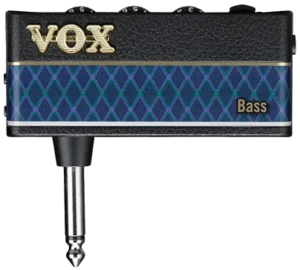
A small headphone amp can be one of the most useful beginner purchases. You plug your bass in, connect your headphones, and practise quietly. Many of these devices also let you connect your phone so you can play along with music or backing tracks.
One well-known example is the VOX amPlug, which is especially useful for apartment living or late-night playing.
Option 2: Multi-effects pedal or accompaniment device
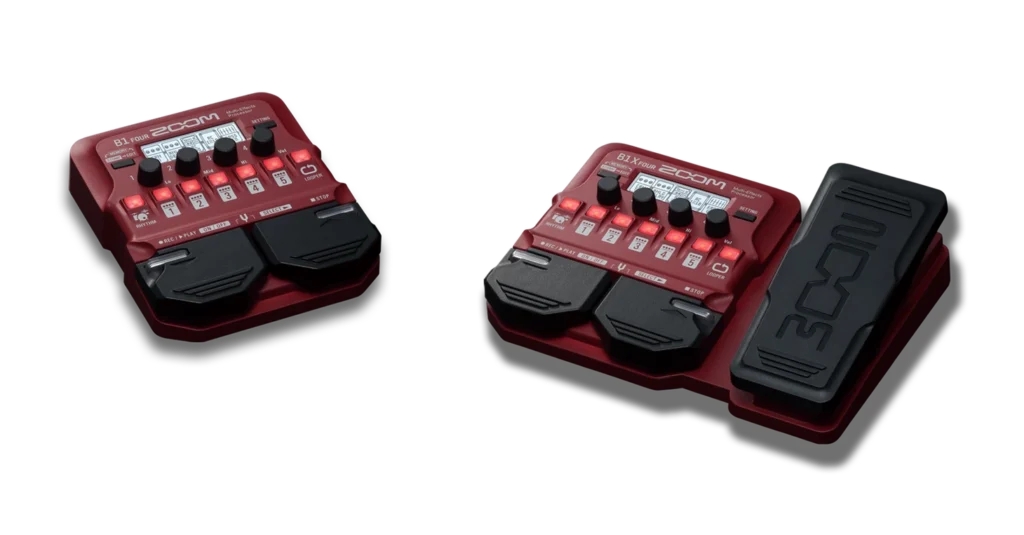
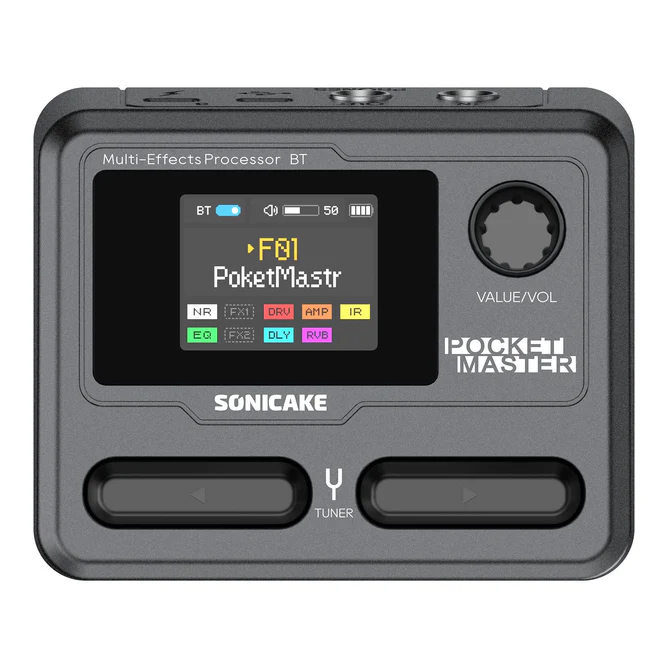
Some multi-effects pedals and practice devices allow headphone out, audio in from your phone, built-in tuner functions, effects, and amp-style sounds.
Two useful examples are the ZOOM B1 FOUR, which gives you bass effects, rhythm patterns, and practice flexibility, and the SONICAKE Pocket Master, which is a compact portable practice option.
For some beginners, a setup like bass + headphones + phone + practice device may be more practical than buying a traditional bass amp right away.
A useful extra option: the laptop or mobile recording setup
Recording is no longer something that only happens in big studios. Today, even a simple home setup can be useful for both practice and basic recording.
If you already have a laptop, one practical route is to use an audio interface with headphones or monitor speakers. This lets you practise quietly, hear yourself more clearly, and record your playing to listen back. That is useful not just for making music, but also for improving timing, note control, and consistency.
Two examples of beginner-friendly recording interfaces are the Fender Link I/O and the Focusrite Scarlett Solo.
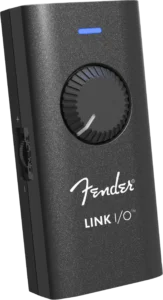
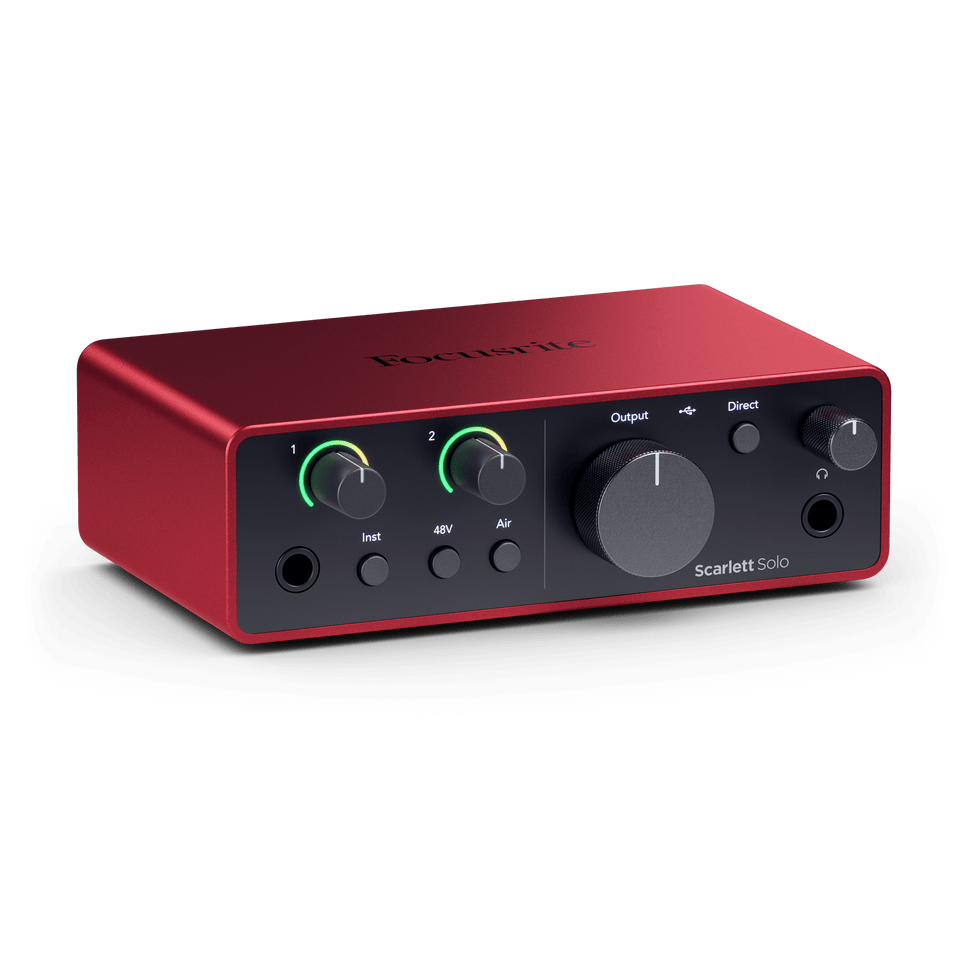
A practical bedroom setup could look like this:
- Bass
- Audio interface
- Headphones or monitor speakers
- Laptop or mobile phone
If you go this route, a good pair of headphones is often enough to start. If you want speakers later, monitor speakers can be added. Built-in laptop speakers are usually not enough for proper bass playback, so do not rely on them.
Type of bass: active or passive?
There are many articles online explaining active and passive basses in detail, so there is no need to overcomplicate it here.
For a beginner, passive is usually the simpler place to start.
Passive bass
A passive bass is straightforward and generally easier to deal with for beginners. There is no onboard battery to worry about, and the controls are usually simpler.
Pros:
- Simpler to use
- No battery needed
- Fewer things to troubleshoot
- Usually a good beginner starting point
Cons:
- Less onboard tonal shaping compared to some active basses
- May feel less flexible to some players
Active bass
An active bass has onboard electronics and usually requires a battery. It can offer more tonal control and output, but also adds another layer of things to manage.
Pros:
- More tonal shaping
- Stronger output in some cases
- Useful for players who want more control
Cons:
- Requires battery
- More things that can go wrong
- Faulty battery box or electronics can become an issue
- May be less beginner-friendly if you are not sure what you are adjusting
For most beginners, passive is the safer and simpler recommendation.
Some beginner-friendly basses you may come across locally
The products below are examples of the kind of beginner-friendly basses you may come across locally. They are not the only good options, but they give you a practical starting point.
- Yamaha TRBX174
- Squier Affinity Jazz Bass
- Ibanez GSR180
- Aria STB-JB / STB-PB
- Bacchus beginner bass options
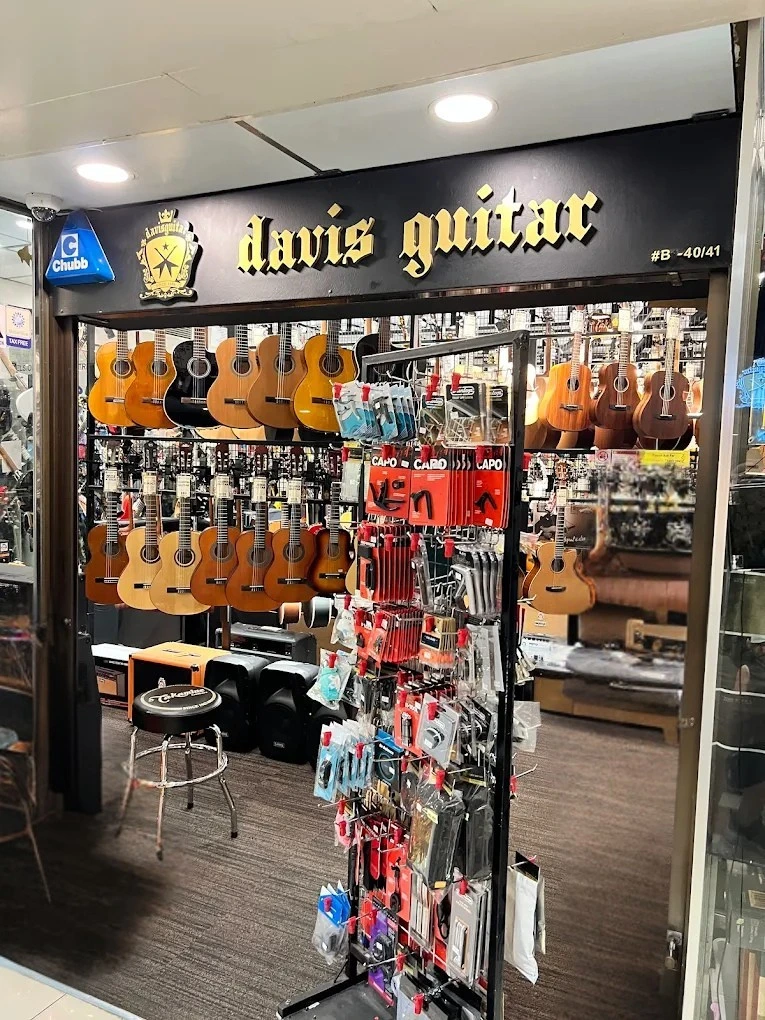
If you want to keep your first bass choice simple, passive entry-level models are often the easiest place to start. The Yamaha TRBX174, Squier Affinity Jazz Bass, and Ibanez GSR180 are common entry-level choices that are easy to understand and widely seen. Aria and Bacchus are also worth a look if you are browsing Davis Guitar and want more local shop options.
How much should you budget?
A beginner budget should not only cover the bass itself. You also need to think about how you will hear yourself and what basic accessories you need.
Entry-level budget
- Bass: around $300 to $400
- Headphone amp: around $70 to $150
- Multi-effects pedal with headphone out: around $100 to $150
- Bass amp: around $100 to $300
This is a decent starting point if you want a simple, workable beginner setup without overspending.
Mid-entry budget
- Bass: around $300 to $500
- Headphone amp: around $70 to $100
- Bass amp: around $100 to $500
- Multi-effects pedal with headphone out: around $100 to $500
This range gives you a bit more flexibility and can sometimes get you a noticeably better bass or practice setup.
Special option for the bedroom musician
- Bass: around $300 to $500
- Audio interface: around $100 to $300
If you already own a laptop and decent headphones, this setup can be surprisingly practical.
Accessories to remember
- Strap
- Tuner
- Gig bag if not included
- Instrument cable
If you buy a multi-effects pedal, it often includes a tuner function, which can save you from needing a separate tuner right away.
Where to Buy Your First Bass Guitar in Singapore
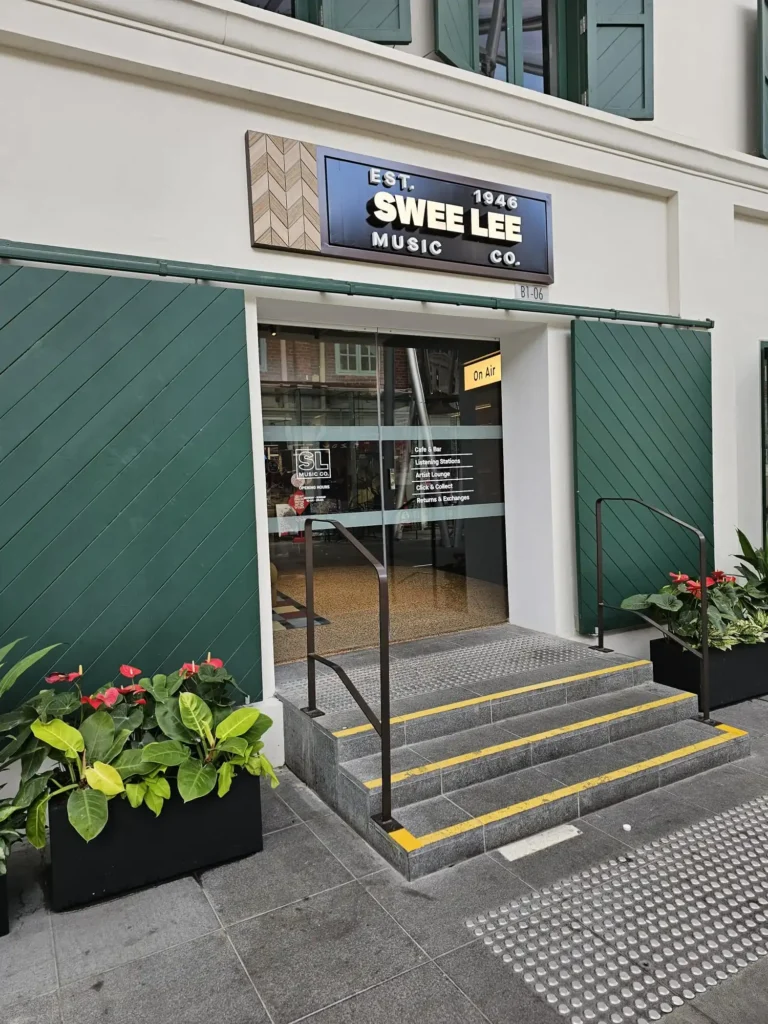
This list is not exhaustive, because there are many shops and sellers out there. But some local places beginners often check out include:
If online listings are more your thing, you can also check Carousell, local forums, and Telegram chats. Local shops sometimes post used gear on marketplace platforms too, so it is worth checking both direct shop listings and second-hand channels.

Common beginner mistakes to avoid
- Buying based only on looks
- Buying the cheapest option without checking playability
- Forgetting that you still need a way to hear yourself properly
- Assuming an amp is the only practice option
- Not thinking about apartment or HDB volume issues
- Overlooking electronics problems on used basses
- Not budgeting for strap, cable, tuner, and bag
- Buying a bass that feels too heavy or too difficult to handle
Final thoughts
Your first bass does not need to be your forever bass.
What matters more is that it feels comfortable, works properly, and fits the way you will realistically practise at home. For many people in Singapore, that also means thinking beyond the traditional “bass plus amp” route and considering quiet practice setups like headphone amps, multi-effects devices, or an audio interface with headphones.
The best first bass guitar in Singapore is usually not the most expensive one, but the one that makes you want to pick it up and practice.
Start with something sensible, make sure you can actually hear yourself practice, and keep the setup realistic for your living situation. That is usually the better first step.
If this is your first time visiting Stackgroove, this site was created to be a practical resource for bass players in Singapore. You can read more about the idea behind it on our About page.