Author: admin

  • How to Prepare for Your First Jam Session as a Bassist

    How to Prepare for Your First Jam Session as a Bassist

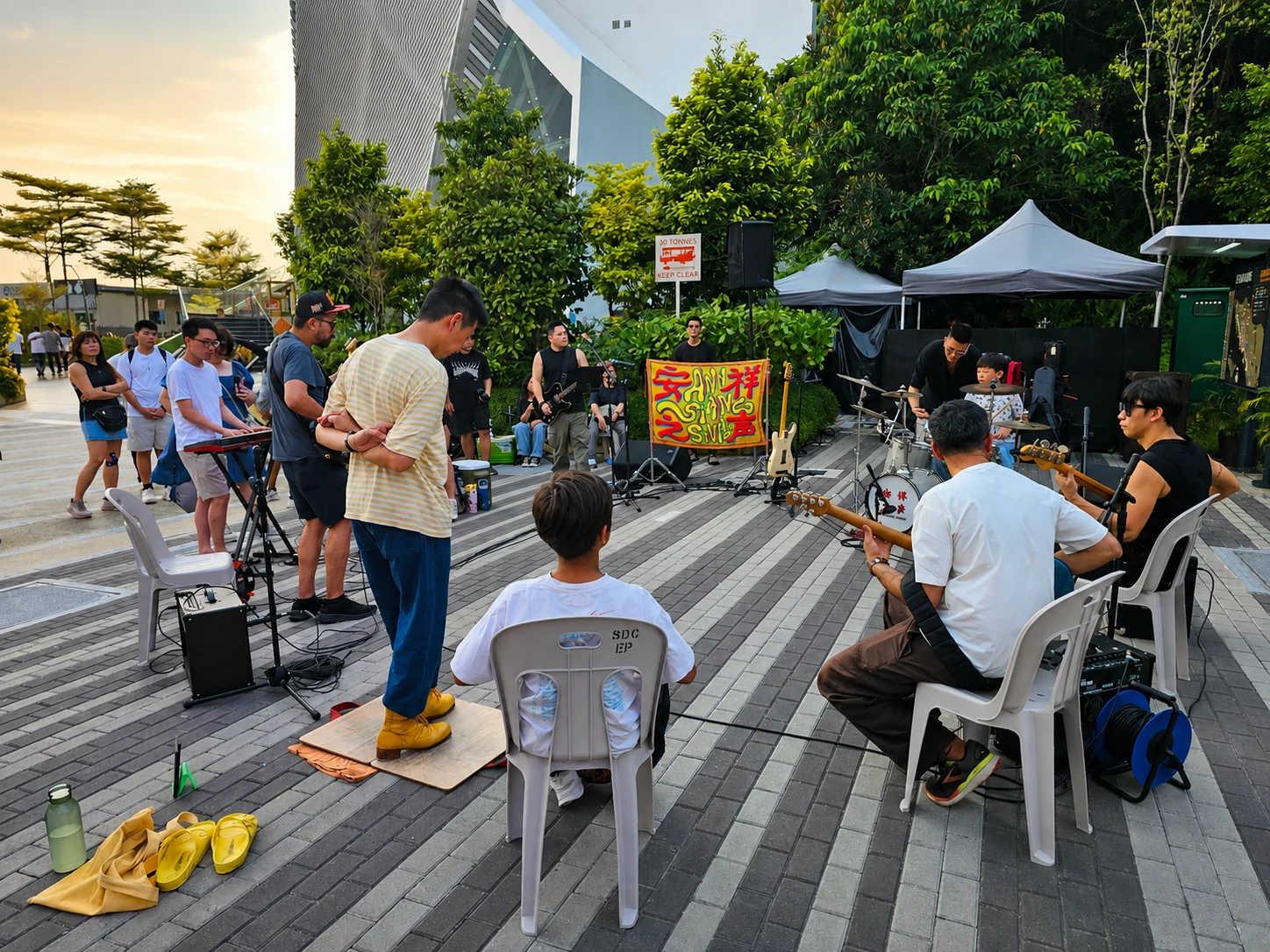
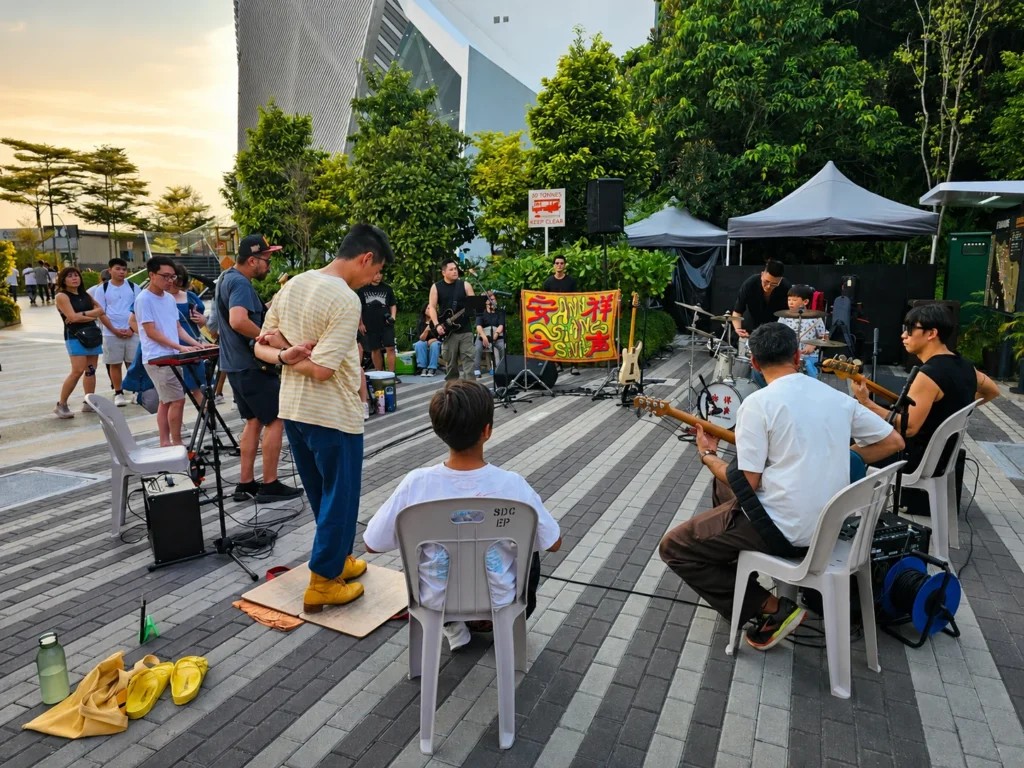
    Musicians taking part in an outdoor jam session at Ann Siang Sounds in Singapore

    Preparing for your first jam session as a bassist can feel intimidating, especially when you are unsure how local jam sessions in Singapore usually work.

    You may wonder whether your playing is good enough, whether you need to know every song, or what happens if you lose your place halfway through. As a bassist, there may also be pressure to keep the groove and hold the band together.

    I have only attended a small number of jam sessions so far, including Ann Siang Sounds and another event hosted by Eric Lee. I am still learning from these experiences myself, so this is not meant to be a complete expert guide.

    Instead, this is a practical starting point for bassists who are thinking about joining their first jam session in Singapore.

    You Do Not Need to Be an Advanced Bassist

    You do not need to play complicated fills or know hundreds of songs before attending a jam session.

    For your first jam, it is more important to:

    • stay in time;
    • follow the chord changes;
    • listen to the drummer;
    • watch the other musicians;
    • recover calmly when something goes wrong.

    A simple bass line played with steady timing is usually more useful than a complicated line played without confidence.

    Your main role is to support the music.

    Find Out How Your First Jam Session Works

    Not every jam session follows the same format, and the details are not always clearly stated in advance.

    Some sessions may involve full songs, while others are built around a few chord changes that are called out on the spot. The style of music, level of experience and way musicians take turns can also vary from one event to another.

    You can still check the event announcement or message the organiser to ask about things such as registration, equipment and whether beginners are welcome. However, this information may not always be available.

    For that reason, attending once as an audience can be one of the best ways to prepare.

    You can observe:

    • how songs or chord progressions are introduced;
    • how musicians take turns;
    • how the band communicates changes and endings;
    • what equipment is provided;
    • the general level and atmosphere of the session.

    Watching one session first can make the experience much less intimidating. It also gives you a better idea of what to practise before joining in the next time.

    Prepare the Basics, Not Every Note

    What you need to prepare depends on the type of jam session.

    For jazz, blues or funk jams, it helps to be familiar with common standards, repeated grooves and basic progressions such as a 12-bar blues. Songs like Chameleon, Cantaloupe Island and The Chicken may also come up in these settings.

    For more general open mics or casual band jams, the music may lean towards well-known Top 40 songs from the 1980s, 1990s and 2000s. In that case, it is useful to build a small list of familiar pop and rock songs that you can play confidently.

    Whichever type of session you attend, do not worry about copying every bass fill exactly like the original recording. Focus first on:

    • the key;
    • the chord progression;
    • the main groove;
    • the song structure;
    • important stops and the ending.

    Understanding the harmony and structure is often more useful than memorising every note without knowing where you are in the song.

    If you are unsure what music is normally played, attending once as an audience member can help you decide what to prepare for the next session.

    Learn the Song Structure

    Many musicians lose their place because they do not know what section comes next.

    Before the jam, identify the main sections of the song:

    • intro;
    • verse;
    • chorus;
    • bridge;
    • solo section;
    • ending.

    Pay attention to how many bars or repeats each section contains.

    During a jam, a solo may be extended or a section may be shortened. Knowing the structure helps you follow these changes without panicking.

    Start With the Root Notes

    When you are unsure what to play, start with the root notes of the chords.

    There is nothing wrong with keeping the bass line simple. A steady root-note groove can support the band much better than random fills.

    Once you feel comfortable, you can gradually add:

    • fifths;
    • octaves;
    • passing notes;
    • short fills.

    The groove should always come first.

    Lock In with the Drummer

    The drummer is one of the most important musicians for a bassist to listen to during a jam.

    Listen for:

    • where the kick drum lands;
    • how the beat is accented;
    • whether the rhythm feels straight or swung;
    • fills that signal a change;
    • changes in volume and intensity.

    You do not need to copy every kick-drum note. The aim is to understand how the groove feels and support it consistently.

    Try not to become so focused on the fretboard that you stop listening to the band.

    Watch the Other Musicians

    Jam sessions involve a lot of visual communication.

    A singer, guitarist, keyboardist or bandleader may use eye contact or hand signals to indicate:

    • another verse;
    • the start or end of a solo;
    • a stop;
    • a dynamic change;
    • the ending.

    Look up whenever possible, especially near the end of a section.

    At first, these signals may not be obvious. They become easier to recognise after attending more sessions.

    What to Do When You Get Lost

    Almost everyone gets lost occasionally.

    When it happens, avoid playing random notes and hoping they will fit.

    Instead:

    1. Simplify or stop playing briefly.
    2. Listen to the drummer and harmony.
    3. Look at the other musicians.
    4. Find the root note of the current chord.
    5. Re-enter when you feel confident.

    A short moment of silence is usually less noticeable than several bars of incorrect notes.

    The important skill is not avoiding every mistake. It is learning how to recover.

    Do Not Overplay

    It can be tempting to prove yourself during a jam by playing fast fills or using every technique you know.

    But more notes do not always make the music better.

    Leave space for the singer, soloist and other musicians. Listen to what the song needs and keep your timing strong.

    Sometimes the best bass line is the simplest one.

    What to Bring

    For most jam sessions, a simple setup is enough:

    • your bass;
    • an instrument cable;
    • a tuner;
    • spare batteries for an active bass;

    Check whether a bass amplifier is provided before going.

    Tune your bass before playing and keep your volume at a sensible level. A jam session is not the best place for a long soundcheck or a complicated pedal setup.

    Basic Jam Etiquette

    Good etiquette matters just as much as playing ability.

    Try to:

    • arrive on time;
    • listen to the organiser;
    • keep your volume under control;
    • give other musicians a chance to play;
    • avoid taking over every song;
    • respect the venue and equipment;
    • thank the musicians after playing.

    It is also okay to sit out a song you do not know.

    Playing one or two songs properly is better than forcing yourself through every song.

    Where to Find Jam Sessions in Singapore

    Finding your first jam session in Singapore can be difficult if you do not already know other musicians.

    Here are a few communities and platforms worth checking.

    Ann Siang Sounds

    I have personally attended Ann Siang Sounds, and my experience there was more informal than a typical song-based jam.

    Instead of expecting everyone to know a full song, one of the musicians might call out a few chord changes, and the group would jam around them.

    This can be a good starting point for beginners because you do not necessarily need to memorise an entire arrangement.

    As a bassist, you can focus on:

    • identifying the root notes;
    • following the chord changes;
    • keeping a steady groove;
    • listening to the drummer;
    • reacting to the other musicians.

    It is still useful to understand basic chord names and common progressions, but the format can feel less intimidating than being asked to perform a complete song from beginning to end.

    Check their latest Instagram posts for upcoming sessions, locations and participation details.

    SG Singer Songwriters

    SG Singer Songwriters is another community worth checking for open mics, performances and musician gatherings.

    I have not personally attended their events, so check the individual event details before going.

    Saylah Studios

    Saylah Studios is a creative space that shares music-related events, performances and gatherings.

    Following studios and creative spaces can help you discover smaller community events that may not be widely advertised.

    M.I.C.

    M.I.C. also shares information about jam sessions and music events in Singapore.

    Check each announcement for the musical style, venue, registration requirements and whether any preparation is expected.

    Check Eventbrite

    You can also search Eventbrite for:

    • jam sessions in Singapore;
    • open mics in Singapore;
    • musician meetups;
    • jazz or blues jams;
    • live-music networking events.

    Some one-off or impromptu sessions may only be listed shortly before the event, so it is worth checking occasionally.

    Look Out for Impromptu Sessions

    Not every jam session follows a fixed schedule.

    Some are organised through:

    • Instagram Stories;
    • WhatsApp groups;
    • Telegram groups;
    • musician group chats;
    • last-minute social-media posts.

    Once you attend a few events and meet other musicians, you may start hearing about smaller sessions that are not widely advertised.

    This is one reason why turning up and talking to people can be valuable, even when you do not play much during your first visit.

    Set a Realistic Goal for Your First Jam Session

    Your goal for your first jam should not be to impress everyone.

    A better goal is to:

    • complete one or two songs;
    • stay in time;
    • follow the chord changes;
    • communicate with the band;
    • recover from mistakes;
    • enjoy the experience.

    Jam sessions expose skills that are difficult to practise alone. They teach you how to listen, react and communicate in real time.

    Final Thoughts

    You may never feel completely ready for your first jam session.

    Prepare a few songs or common progressions, understand the basic structure, keep your playing simple and listen carefully to the people around you.

    Whether you are attending a structured open mic or a more informal jam session in Singapore, your first experience does not need to be perfect.

    It only needs to be your first step.
  • Buying Your First Bass Guitar in Singapore: A Practical Beginner Guide

    Buying Your First Bass Guitar in Singapore: A Practical Beginner Guide

    First Bass Guitar in Singapore: A Beginner’s Guide

    Buying your first bass guitar in Singapore can feel a bit overwhelming at the start. With so many models and shops around, it helps to know what actually matters before spending your money.

    There are already tons of YouTube videos and online articles telling you which beginner bass is the best. This is not that kind of guide.

    Instead, this is a local perspective on what to look out for when getting your first bass in Singapore. Rather than chasing the “best beginner bass” according to the internet, it makes more sense to focus on what feels comfortable, works reliably, and fits the way you will actually practice at home.

    If you are choosing your first bass guitar in Singapore, it helps to focus on comfort, playability, and a setup that matches your budget.

    How to Choose Your First Bass Guitar in Singapore

    When choosing your first bass, the most important thing is not the brand name. It is whether the instrument feels manageable for you.

    A few practical things to pay attention to:

    • Is the bass too heavy for you?
    • Does the neck or fretboard feel too big in your hands?
    • Are the strings and frets too hard to press down?
    • Does it feel uncomfortable when sitting or standing?
    • Does it feel like something you would actually want to pick up and practise with?

    A beginner can easily assume that difficulty is normal. While bass does take hand strength and technique, a badly set up or uncomfortable instrument can make things much harder than they need to be.

    If possible, test the bass before buying. Try holding it properly, sit down with it, and play a few notes across different parts of the neck. Even if you are a total beginner, you can still get some useful clues. Does it feel too large? Does it feel tiring very quickly? Do some notes buzz badly or die off too easily? These are worth paying attention to.

    In simple terms, your first bass should feel playable, not like a fight.

    Should You Buy New or Used?

    Buying used can be a smart move. Sometimes you can get a better instrument for the same money compared to buying brand new. But if you go down the used route, aesthetics should not be the only thing you look at.

    The bigger concerns are usually functional ones, such as:

    • Loose input jack
    • Faulty knobs
    • Faulty battery box on active basses
    • Warped neck
    • Dead notes on certain frets
    • Electronics cutting in and out
    • Unusually high string action that makes the bass hard to play

    A bass might still look decent on the outside but have issues that a beginner may not notice immediately.

    This is one of the main reasons many beginners prefer buying from a reputable local shop. It is not 100% risk-free, but the risk is usually lower. A shop will often do at least some basic checking, and if there is a problem, you are generally in a better position than if you bought blindly from a random listing.

    That said, used gear can still be a very good option if you know what to check, have a friend or teacher who can help inspect it, or are buying from a seller with a good reputation.

    Many beginners forget this: how are you actually going to hear yourself?

    A lot of beginners focus on buying the bass and forget the rest.

    Once you have the bass, how are you actually going to hear the sound properly?

    Yes, you can practise unplugged, and many people do that occasionally. But it is not ideal as a main long-term setup. Part of learning bass is hearing your tone, your note length, your consistency, and your timing properly.

    For people living in Singapore, this becomes even more important. Most people live in flats, apartments, or HDBs, where using a bass amp is not always straightforward. Even a small amp at low volume can feel a bit too loud, especially at night.

    That is why modern silent-practice options are so useful.

    Option 1: Headphone amp

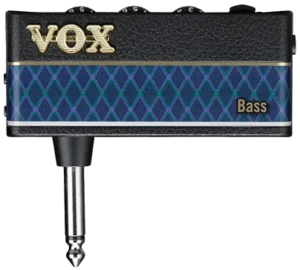
    A small headphone amp can be one of the most useful beginner purchases. You plug your bass in, connect your headphones, and practise quietly. Many of these devices also let you connect your phone so you can play along with music or backing tracks.

    One well-known example is the VOX amPlug, which is especially useful for apartment living or late-night playing.

    VOX amPlug 3 Bass headphone amplifier

    Option 2: Multi-effects pedal or accompaniment device

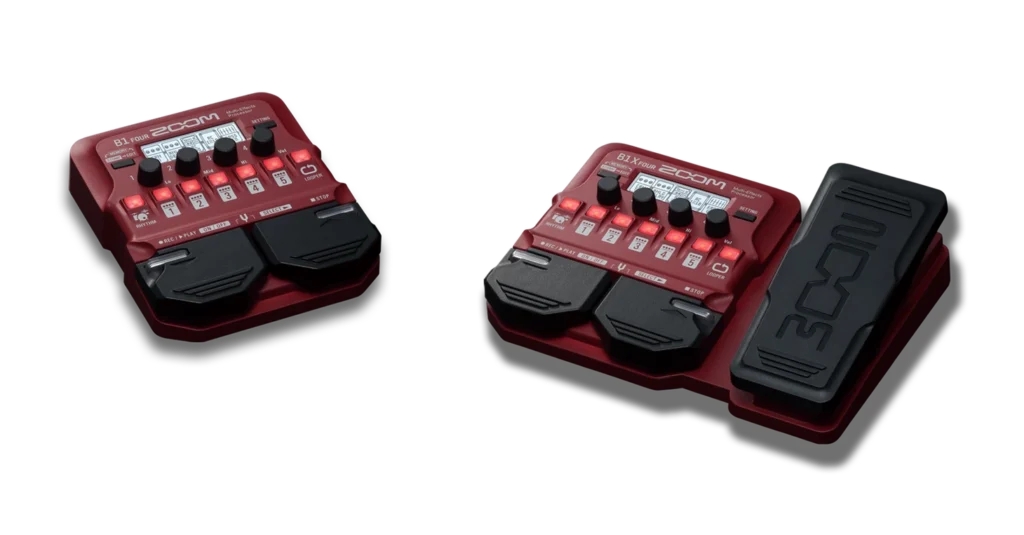
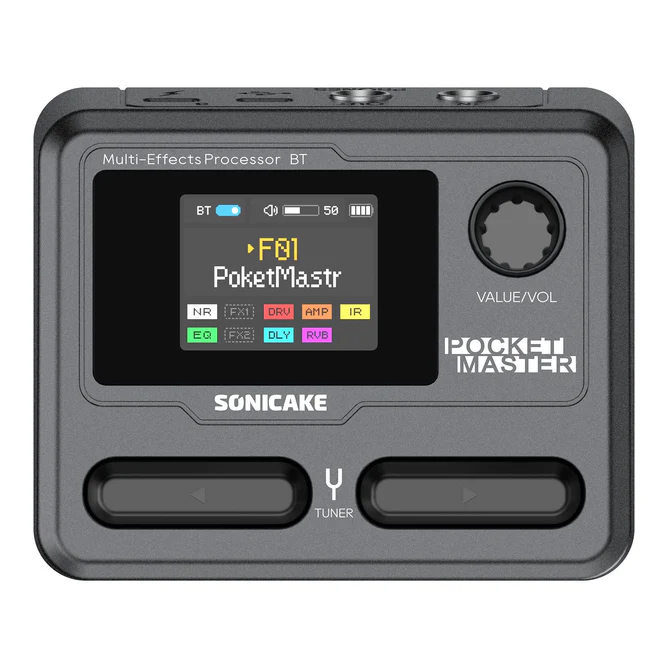
    Some multi-effects pedals and practice devices allow headphone out, audio in from your phone, built-in tuner functions, effects, and amp-style sounds.

    Two useful examples are the ZOOM B1 FOUR, which gives you bass effects, rhythm patterns, and practice flexibility, and the SONICAKE Pocket Master, which is a compact portable practice option.

    For some beginners, a setup like bass + headphones + phone + practice device may be more practical than buying a traditional bass amp right away.

    ZOOM B1 FOUR bass multi-effects pedal for practice and headphone use
    SONICAKE Pocket Master compact multi-effects device for guitar and bass practice

    A useful extra option: the laptop or mobile recording setup

    Recording is no longer something that only happens in big studios. Today, even a simple home setup can be useful for both practice and basic recording.

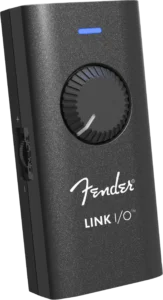
    If you already have a laptop, one practical route is to use an audio interface with headphones or monitor speakers. This lets you practise quietly, hear yourself more clearly, and record your playing to listen back. That is useful not just for making music, but also for improving timing, note control, and consistency.

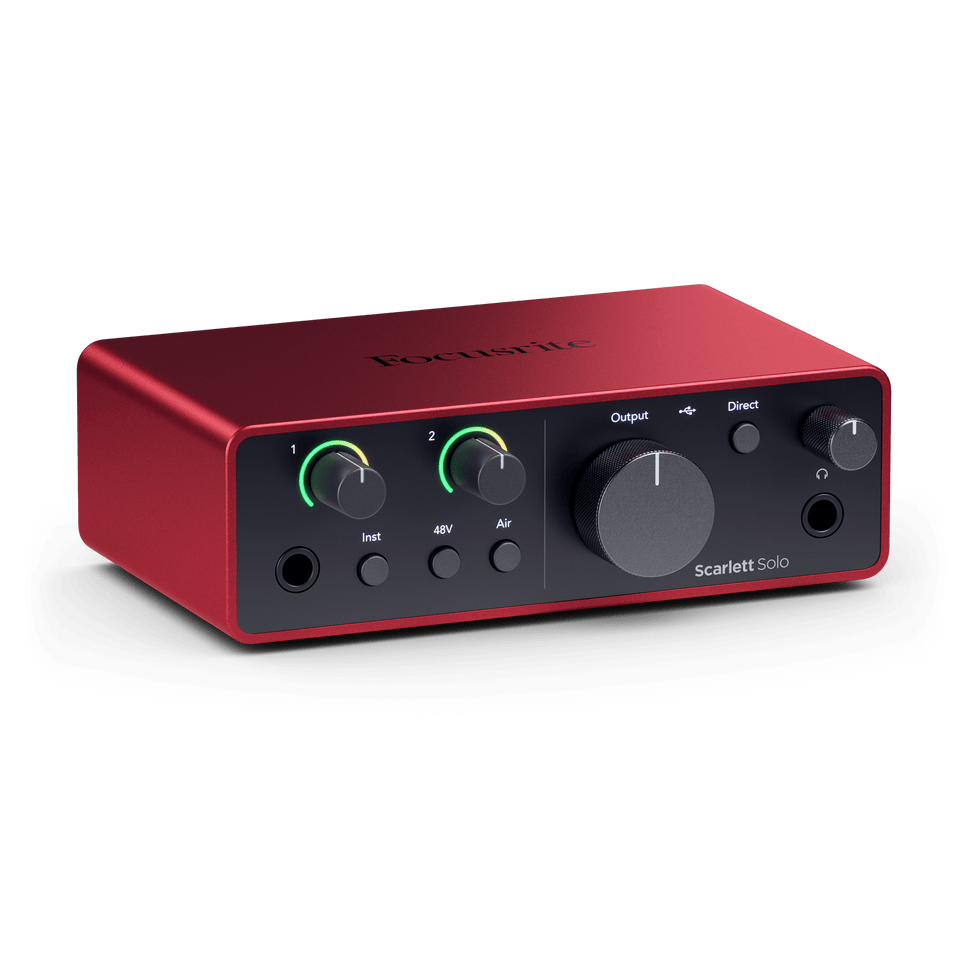
    Two examples of beginner-friendly recording interfaces are the Fender Link I/O and the Focusrite Scarlett Solo.

    Fender Link I/O compact audio interface for guitar and bass recording
    Focusrite Scarlett Solo USB audio interface for home recording and practice

    A practical bedroom setup could look like this:

    • Bass
    • Audio interface
    • Headphones or monitor speakers
    • Laptop or mobile phone

    If you go this route, a good pair of headphones is often enough to start. If you want speakers later, monitor speakers can be added. Built-in laptop speakers are usually not enough for proper bass playback, so do not rely on them.

    Type of bass: active or passive?

    There are many articles online explaining active and passive basses in detail, so there is no need to overcomplicate it here.

    For a beginner, passive is usually the simpler place to start.

    Passive bass

    A passive bass is straightforward and generally easier to deal with for beginners. There is no onboard battery to worry about, and the controls are usually simpler.

    Pros:

    • Simpler to use
    • No battery needed
    • Fewer things to troubleshoot
    • Usually a good beginner starting point

    Cons:

    • Less onboard tonal shaping compared to some active basses
    • May feel less flexible to some players

    Active bass

    An active bass has onboard electronics and usually requires a battery. It can offer more tonal control and output, but also adds another layer of things to manage.

    Pros:

    • More tonal shaping
    • Stronger output in some cases
    • Useful for players who want more control

    Cons:

    • Requires battery
    • More things that can go wrong
    • Faulty battery box or electronics can become an issue
    • May be less beginner-friendly if you are not sure what you are adjusting

    For most beginners, passive is the safer and simpler recommendation.

    Some beginner-friendly basses you may come across locally

    The products below are examples of the kind of beginner-friendly basses you may come across locally. They are not the only good options, but they give you a practical starting point.

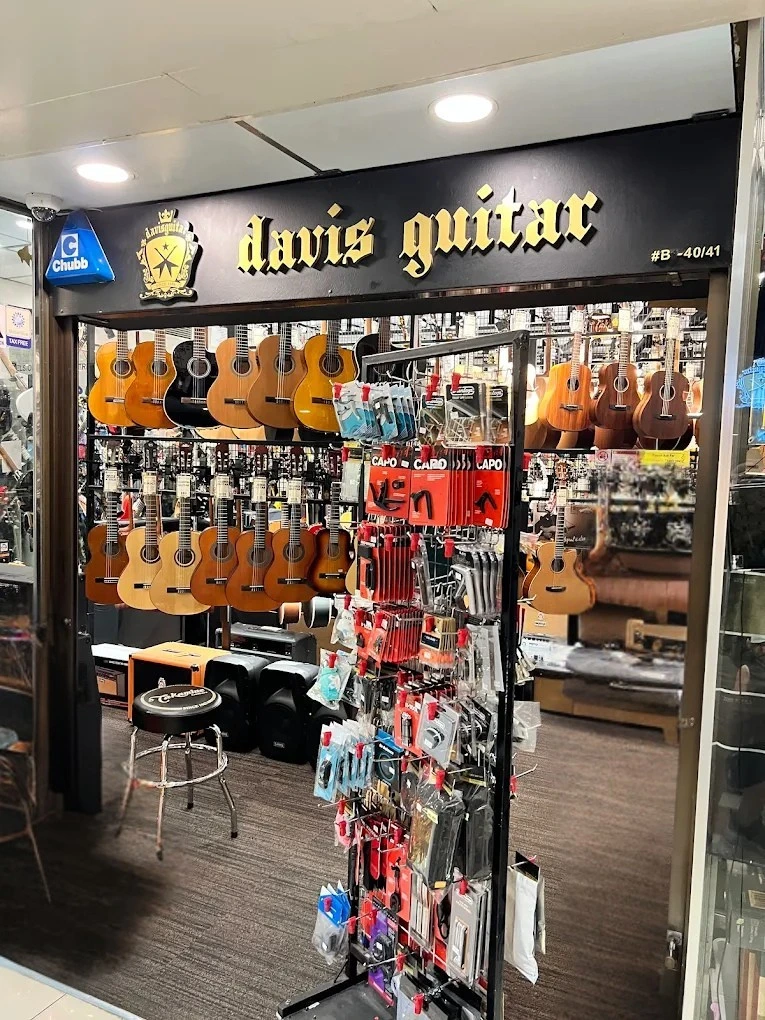
    If you want to keep your first bass choice simple, passive entry-level models are often the easiest place to start. The Yamaha TRBX174, Squier Affinity Jazz Bass, and Ibanez GSR180 are common entry-level choices that are easy to understand and widely seen. Aria and Bacchus are also worth a look if you are browsing Davis Guitar and want more local shop options.

    How much should you budget?

    A beginner budget should not only cover the bass itself. You also need to think about how you will hear yourself and what basic accessories you need.

    Entry-level budget

    • Bass: around $300 to $400
    • Headphone amp: around $70 to $150
    • Multi-effects pedal with headphone out: around $100 to $150
    • Bass amp: around $100 to $300

    This is a decent starting point if you want a simple, workable beginner setup without overspending.

    Mid-entry budget

    • Bass: around $300 to $500
    • Headphone amp: around $70 to $100
    • Bass amp: around $100 to $500
    • Multi-effects pedal with headphone out: around $100 to $500

    This range gives you a bit more flexibility and can sometimes get you a noticeably better bass or practice setup.

    Special option for the bedroom musician

    • Bass: around $300 to $500
    • Audio interface: around $100 to $300

    If you already own a laptop and decent headphones, this setup can be surprisingly practical.

    Accessories to remember

    • Strap
    • Tuner
    • Gig bag if not included
    • Instrument cable

    If you buy a multi-effects pedal, it often includes a tuner function, which can save you from needing a separate tuner right away.

    Where to Buy Your First Bass Guitar in Singapore

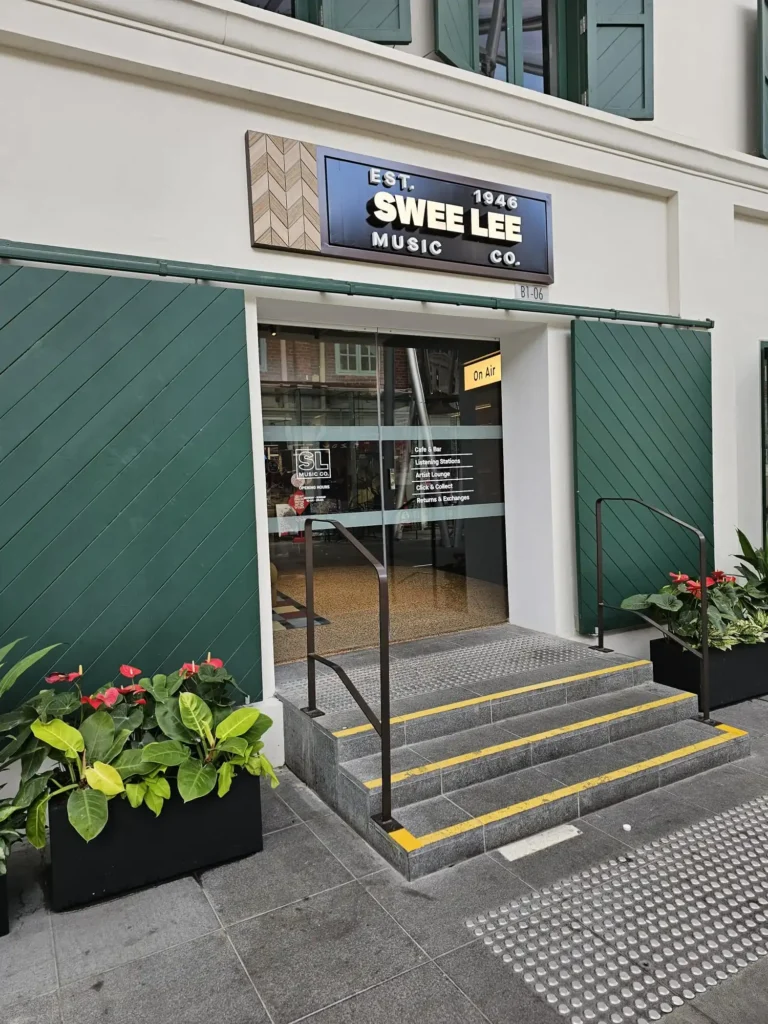
    This list is not exhaustive, because there are many shops and sellers out there. But some local places beginners often check out include:

    If online listings are more your thing, you can also check Carousell, local forums, and Telegram chats. Local shops sometimes post used gear on marketplace platforms too, so it is worth checking both direct shop listings and second-hand channels.

    Common beginner mistakes to avoid

    • Buying based only on looks
    • Buying the cheapest option without checking playability
    • Forgetting that you still need a way to hear yourself properly
    • Assuming an amp is the only practice option
    • Not thinking about apartment or HDB volume issues
    • Overlooking electronics problems on used basses
    • Not budgeting for strap, cable, tuner, and bag
    • Buying a bass that feels too heavy or too difficult to handle

    Final thoughts

    Your first bass does not need to be your forever bass.

    What matters more is that it feels comfortable, works properly, and fits the way you will realistically practise at home. For many people in Singapore, that also means thinking beyond the traditional “bass plus amp” route and considering quiet practice setups like headphone amps, multi-effects devices, or an audio interface with headphones.

    The best first bass guitar in Singapore is usually not the most expensive one, but the one that makes you want to pick it up and practice.

    Start with something sensible, make sure you can actually hear yourself practice, and keep the setup realistic for your living situation. That is usually the better first step.

    If this is your first time visiting Stackgroove, this site was created to be a practical resource for bass players in Singapore. You can read more about the idea behind it on our About page.